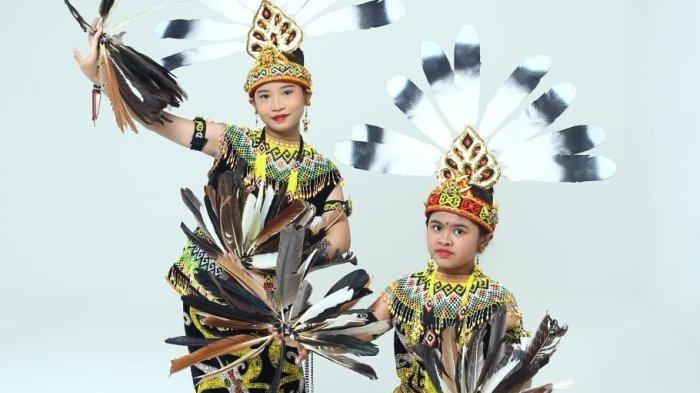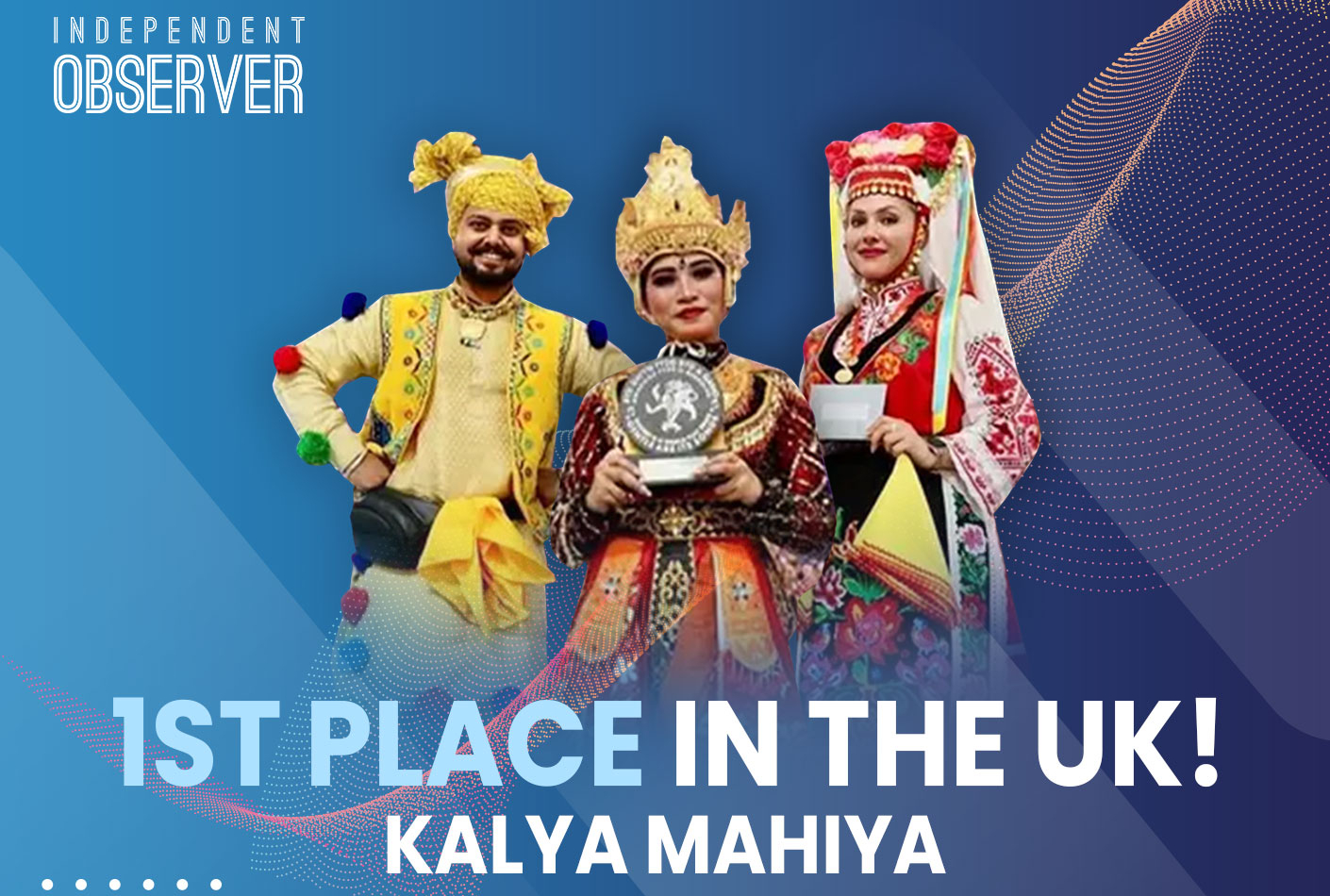
Jakarta, IO – Heartening news has arrived from Wales, UK. The Indonesian cultural mission, represented by Kiny Cultura Indonesia, has successfully secured 1st place in the Traditional Folk Dance Group Competition at the prestigious 2026 Llangollen International Musical Eisteddfod.
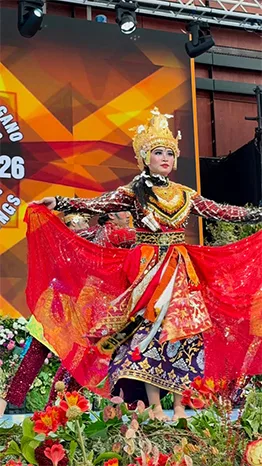
Delivering a mesmerizing performance of the Sanghyang dance from Bali, the Indonesian troupe outperformed 17 other groups, hailing from 14 countries, to stand at the highest podium of global culture. Adding to the nation’s triumph, the delegation also clinched 3rd place in the Children’s Division, under the Traditional Folk Dance Children category. Following this monumental achievement, The Independent Observer conducted online interviews with the dancers, their coach and parents who supported this remarkable journey.
Kalya Mahiya Pravina, a 12th-grade student at SMA Al Izhar Pondok Labu, expressed her immense pride in winning at Llangollen. “It feels extraordinary and deeply humbling! This moment of victory on the international stage proves that our dedication to preserving our heritage is recognized globally. Seeing our national flag raised is an experience I will never forget,” said Kalya, who has mastered dozens of traditional dances.
During the competition, the Indonesian cultural ambassadors performed a repertoire of five dances: Sanghyang Geni, Nandak Ondel-Ondel, Utan Along, Indang, and Indonesia Street Dance. Each of these dances carries deep historical and cultural significance. The Sanghyang Geni from Bali is a sacred ritual dance, believed to be a form of spiritual communication, where dancers enter a trance-like state, allowing holy spirits to guide their movements to cleanse negative energy and protect the community from disaster.
The Nandak Ondel-Ondel portrays the joy and uniqueness of the Betawi people of Jakarta, embodying symbolic values of daily life, happiness and collective hope. The Indang, originating from Pariaman, Minangkabau, derives its name from the word for a small tambourine (rebana kecil) and represents a beautiful acculturation blending Islamic cultural influences with local traditions into a dynamic, rhythmic performance.
The remaining routines highlighted narrative depth and modern spirit. The Utan Along tells the poignant Dayak story of a princess facing anxiety and grief after her mother arranges a marriage with a man she does not love; she flees into the forest and weeps, yet ultimately embodies the strength of a Dayak woman to endure her dilemma and restore her shattered heart. Meanwhile, the Indonesia Street Dance is a vibrant routine, capturing the joy and high spirits of youth from eastern Indonesia, as they celebrate the nation’s independence, symbolizing their unity in weaving dreams toward a Golden Indonesia vision.
“We presented art representing Indonesia’s vast cultural wealth. In the Indang, we balanced the sacred, spiritual side of the Sanghyang Geni with the dynamic, rhythmic blending of religious and local traditions,”explained Kalya, who has participated in cultural missions over a dozen times.
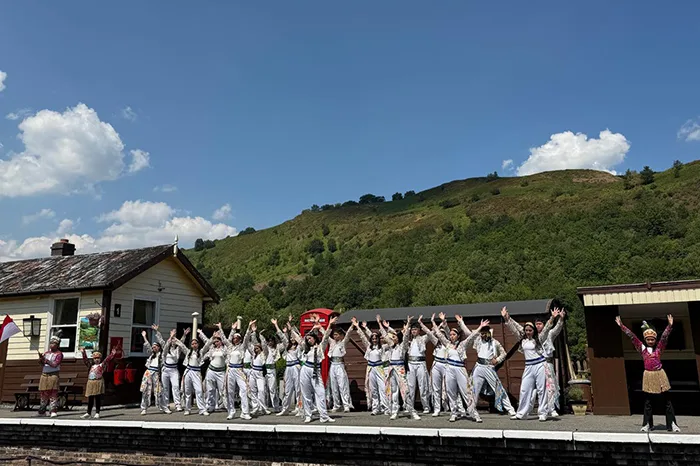
Despite her extensive experience on global stages, she admitted that nerves are inevitable when presenting traditional dances, especially those with high sacred value or complexity.
“Of course, there is nervousness. I managed this by focusing on my breathing, praying together with the team to unify our energy, and maintaining complete concentration so that every detail, particularly the solemn spiritual aspects of Sanghyang Geni, was accurately delivered,” she noted.
This triumph was the result of a rigorous five-month preparation process, where the team trained up to five times a week for three to four hours per session. “We used our rehearsal time to deeply understand the philosophical meaning behind each movement and maintain strict synchronization,” Kalya added.
Competing globally and meeting international performers offered valuable lessons about artistic diversity and the importance of cultural integrity. “The competition taught me that dance is a way to share a nation’s philosophy, spirituality, and history with the world. Teamwork and high discipline were the keys to a flawless presentation,” Kalya stressed.
This sentiment was echoed by La Ode Nawal Widad, a 12th-grade student at SMA Labschool Cirendeu who was participating in his very first cultural mission. “I am so happy and proud to win first place with all my friends. Being on an international stage is an experience I will never forget,” Nawal enthused.
The success extended to the younger generation, with the children’s troupe securing 3rd place in the Traditional Folk Dance Children category. Maximilian Adler Gunawan, a student at Sekolah Pelita Harapan Lippo Cikarang who has already joined three cultural missions, expressed his delight at securing the podium finish.
“I am very happy because it’s a massive competition attended by so many participants from different countries,” Adler said. Prior to performing their selection, the Indang, Adler and his peers trained intensely for three months. “I felt nervous when performing, but I stayed focused so we could deliver our absolute best performance,” he added.
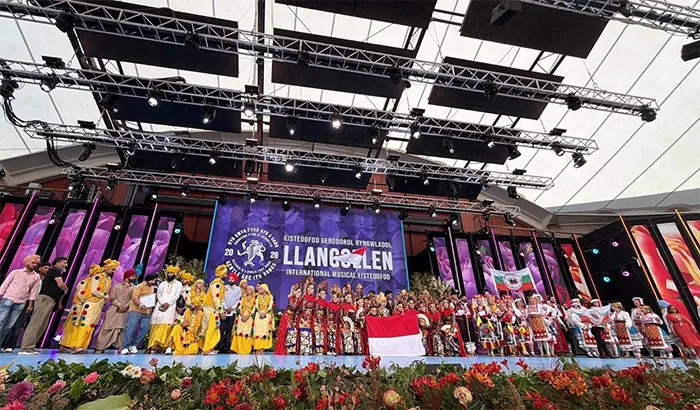
Deep pride and emotion were also shared by Nia Nuswantari, a mother whose two children, Muhammad Bintang Prabu Adinata (International Islamic Boarding School Malang, East Java) and Maharatu Bulan Adinata (SD Islamic Center Samarinda, East Kalimantan), both participated in the event.
“My feelings were completely mixed—there was emotion, pride, and goosebumps watching the children stand passionately on a world stage, dancing with such spirit. It means our mission succeeded; Indonesian culture is not just recognized, but beloved,” Nia said enthusiastically.
“These amazing children didn’t just join a cultural mission; they carried the name of Indonesia and returned with a victory. It proves our culture remains alive in the hands of the right generation.”
To ensure her children could perform flawlessly, Nia willingly commuted back and forth between Samarinda and Jakarta, so they could attend rehearsals. “I provided absolute support for the children, traveling back and forth between Samarinda and Jakarta for team practice,” Nia said.
“I cheered them on when they were nervous or tired, but most importantly, I made sure home was a place of comfort after their hard work, because primary support always starts at home.”
She encourages her children to participate in cultural missions, to foster a love for their heritage and pride in being Indonesian, noting that rigorous training, discipline, and teamwork build independent, confident, and courageous character.
“As parents, our hope is simple. We hope our children can maintain Indonesia’s good name, become champions, and wave the Red-White national flag on the world stage. We hope they develop disciplined and confident characters, love their own culture even more, and return home with optimal experiences, to serve as provisions for their future,” she explained.
Expressing deep admiration for her students, the team’s coach, Lilis, shared how the toll of their grueling five-month preparation dissolved, the instant she saw them take the stage.
“Watching them perform with such self-assurance made all the hard work completely worth it,” Lilis said, adding that securing the championship titles was simply an incredible bonus. “I couldn’t be prouder of what these children have achieved.” (des)